
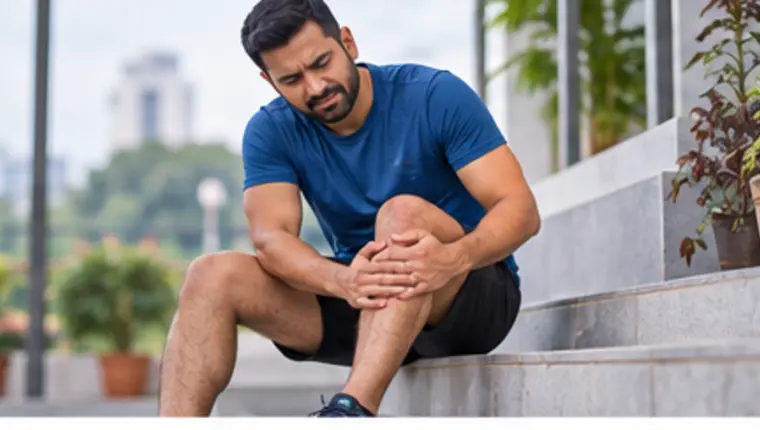
Understanding knee pain
Knee pain can arise from overload, muscle imbalance, altered walking mechanics, old injuries or degenerative changes. We assess the knee together with the hip, ankle and overall movement pattern.
Symptoms worth assessing
- Pain on stairs
- Stiffness after rest
- Difficulty walking or squatting
- Recurring swelling or weakness
How care may be planned
No two people experience pain in exactly the same way. Your consultation may include:
- Lower-limb movement assessment
- Joint and soft-tissue techniques where appropriate
- Strength and mobility plan
- Activity-modification guidance
Seek urgent medical care
New loss of bowel or bladder control, saddle numbness, sudden weakness, severe pain after trauma, chest pain, fever with unexplained pain, or a sudden “worst-ever” headache requires urgent medical attention.
New loss of bowel or bladder control, saddle numbness, sudden weakness, severe pain after trauma, chest pain, fever with unexplained pain, or a sudden “worst-ever” headache requires urgent medical attention.
Can this be treated without surgery or medicines?
Many musculoskeletal concerns can be managed conservatively, but the right approach depends on the diagnosis and severity. Dr. Shinde’s clinic focuses on non-surgical, non-pharmaceutical options when clinically appropriate and refers patients when medical investigation is needed.